

Because of the rise of social media, the Internet has become more personal and moreistrial. It’s remarkable how many more people are utilizing it. In 2008, though, they weren’t in the top ten websites. YouTube, MySpace, Facebook, Hi5, Wikipedia, and Orkut were all better. The Rise and Fall of Social Media Platforms shows how these sites once thrived. The Web 2.0 turn revolutionized Internet use by emphasizing user input and connectivity.
Facebook boasts 500 million active members throughout the world, MySpace has about 100 million, and Twitter has a few tens of millions. What is surprising is how committed people are to these websites. They utilize them more than any other web service, spending an average of more than thirty minutes a day on them. Instead of being an open door to the world of cold, impersonal paperwork, the digital screens are now a dynamic and conversational element of the window to people’s everyday life.
From staff to public space
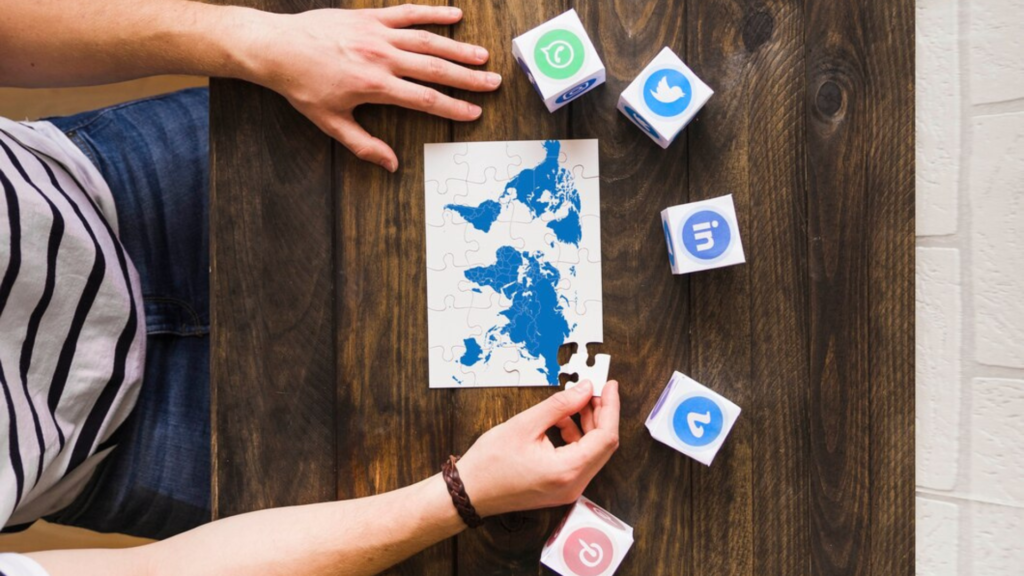
Digital social networks have brought the Internet into people’s social lives, communications, romantic relationships, careers, and interests. These kinds of changes also make it harder for the traditional public realm to do its job. It questions the long-held idea that public discourse, media and cultural businesses, and public space institutions should all be separate. Social media makes this line increasingly easier to cross. People who use the internet are more inclined to talk about a wide range of issues, including culture and knowledge, as well as their personal.
People make personal accounts on social networking sites to share things about themselves with others, like their interests, pictures, and how they feel each day. They talk to an audience that they have chosen and are slowly creating through friendship with this or that individual. This micro-publishing system lets people on the internet share and talk to each other more often than older ones like blogs, personal webpages, or wikis.
A new tool in the sociability of individuals
That is what makes social networks work: A link to another page, a joke, an image, a video, or even just a little text can get those who are just reading to start using the internet. Social networks have started a trend toward making the internet more accessible to everyone. This is done by promoting self-absorption through fun, popular, and geographically diverse online activities. No matter where these habits came from, older people are already using them, especially in professional social networks.
The main reason people use social media is to show off their lives. This trend is due to the new ways of individualization that are coming into Western cultures and making people show off how unique they are in front of others. People don’t mind showing off their pictures, talking about their daily life, or giving their thoughts and preferences. But these exhibition tendencies can be boiled down to self-centered displays of renown that are driven by the need for fifteen minutes of fame. The major reasons people use social media are to talk to other people and to be social.
Divergent interpretations
People expose themselves because it lets them connect with their friends and family. There are actually two different types of relational platform apps. The first one is when users become friends with somebody they know or at least know a little bit about in real life. This kind of thing works better on sites like Skyblog in France, Cyworld in Korea, Orkut in Brazil, QQ in China, or a worldwide site like Facebook. People who use the Internet share personal information with a small group of people they know well, and then they share it with friends, acquaintances, and others they want to meet.
People that use the second type of usage add strangers to their social network. To do this, they need to be even more open about their amateur interests, likes, and hobbies to get outsiders interested. Sharing pictures (Flickr), films (Dailymotion, YouTube), music (MySpace), or business-related issues (Viadeo, LinkedIn) on the sites creates a relationship. Every time communication technology has made a big leap forward, it has caused real moral panic. Before the internet, photography, railroads, the telephone, and even television had made people afraid of all kinds of things.
Conclusion
No other medium had the power to start such heated debates. The sudden rise of social networks around the world raises similar problems. The end of privacy and the world of universal surveillance, where everyone would be regulated and watched by others, are very different from the ideal society where people may do business with each other without involving anybody else. Watching people do things provides us a clearer image that shows numerous similarities to how they acted in the past. Digital social networking lets people grow, deepen, and change the ways they already engage with one other.
All of this has shown that online expressive activities and interactions make in-person encounters better, not worse. It seems that having a lot of different, intense, and varied daily obligations is necessary to support one’s online self-narrative. Then, individuals aren’t dumb enough to share personal information online just to get attention. They create an image of themselves that they want others to see, and in many ways, that image may be quite well planned and put together. Sociological study on online sociability also supports the idea that there are more connections without strong bonds (limited in number, frequent, and with an emotional aspect) and weak links. When the former’s intensity and volume don’t fluctuate much,